The plight of trees worldwide has hit the headlines many times in recent years, and spectacularly so in the BBC’s series entitled “Earthshot Prize: Repairing our Planet”, with the continuing destruction of forests in the Amazonian Basin and in Borneo and the devastation caused by wild fires in Australia and the US. Back in the UK, there appears to be increased understanding that trees have a vital part to play in our lives, through reducing flooding and soil erosion, soaking up carbon and pollution from our atmosphere and providing homes and food for a huge numbers of fungi, lichens, insects, birds and small mammals, as well as adding to the beauty of our surroundings. Unfortunately though, trees are not doing that well in our country either.
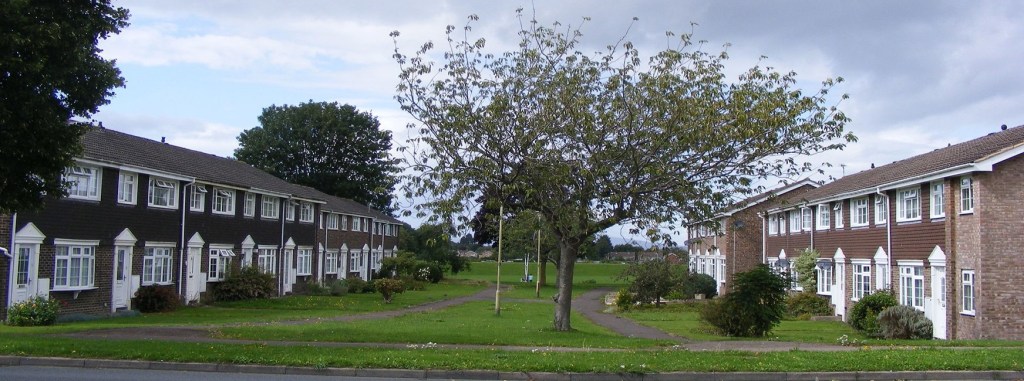
Woodland cover across the UK has varied considerably over the last few thousand years, increasing steadily following the last ice age (~10,000 years ago), managed only by wild cattle and deer, until increasing human populations destroyed woodland for housing, fuel, agriculture and industrial requirements. Although the area of woodland has increased since the 1950s, and current estimates suggest that it now covers about 13% of the UK, all the home nations are well behind the tree-planting targets required to achieve a “net carbon zero” state by 2050. In addition, much of the increase has included non-native trees and many trees have been planted in areas which aren’t well suited to healthy growth, so British woodland is still in a very poor state. Furthermore, many existing native woodlands are isolated, in poor ecological condition and now support less woodland wildlife than they once did. Disappointingly, we also see increasing numbers of authorities removing trees from, or neglecting their maintenance in, our streets and failing to preserve or include trees in local development plans; few modern developments therefore include trees or hedges, other than token ornamental examples.
Organisations like The Tree Council and The Woodland Trust are overseeing and sponsoring large-scale projects, which to date have added 50 million trees, saved 1172 woodland areas and brought more than 34,000 hectares of ancient woodland back to life. The Woodland Trust has also pledged to plant another 50 million trees over the next 5 years. They also undertake wide-scale education programmes and support National Tree Week, which this year runs from 27th November to 5th December, the start of the winter tree planting season, and includes a variety of activities for everyone to take part in.
If we are to be successful in improving the state of our trees nationwide, however, there is more that smaller companies and individuals can do. Even planting a few trees or hedges can help to improve the nation’s biodiversity, by linking larger areas of woodland and parks together. Small scale activities could include:
- Preserving ancient and veteran trees, incorporating them into development plans, rather than removing them.
- Designing developments around mature trees where possible, ensuring that their roots are protected from damage by foundations, vehicle movements, storage of materials and the spillage of fuels and oils.
- Managing existing areas of saplings, thinning where required to promote healthy growth.
- Managing trees, shrubs and hedges as borders and planting new ones to add to the aesthetics of our gardens and work areas.
- Using only native tree and hedge species and ensuring that they are appropriate for the ground conditions within the area.
- Including smaller fruit or nut-bearing trees in gardens and local green patches.
- Lobbying councils to maintain the trees along our streets and roadsides.
Over the past couple of years, we have helped to protect or include trees and shrubs in a number of projects, so if you would like ecological support to include appropriate consideration of trees within your development or other projects, feel free to contact us.
 JP Ecological Services
3 thoughts on “We Need More Healthy Trees”