
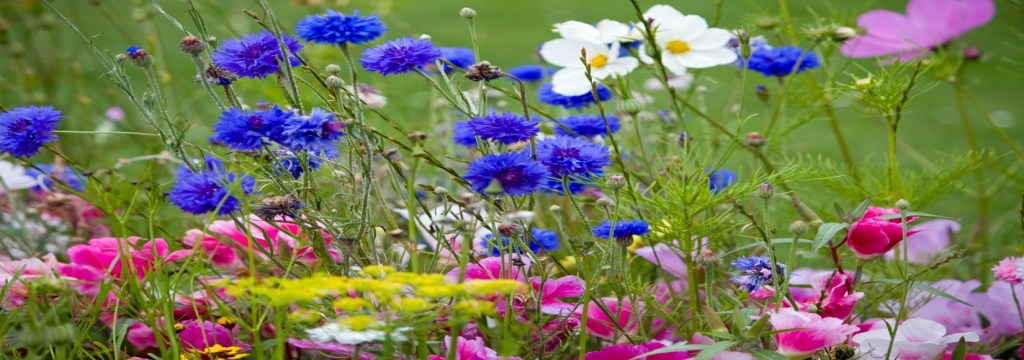
We are occasionally asked which plants should be included in gardens, or encouraged to grow in local wild spots, to help support our declining populations of butterflies. Whilst we are not experts on the myriad horticultural varieties of shrubs and plants available, many of which are bred for the size and colour of their blossoms and have low levels of nectar and pollen, we thought we could suggest some native wild-flower plants that would assist some of our species. If you have a very large garden or open area, then you might also like to see one of our earlier posts on helping butterflies.
Of course, all butterflies have 2 distinct parts of their life cycle during which they depend heavily on plants. During their larval phase, caterpillars spend all their “waking hours” munching on foliage, with each species focussing on a limited variety of plants. During their adult phase, butterflies often visit a larger variety of flower types in their search for nectar, but even then some plants are more valuable than others. In addition, some butterflies over-winter as caterpillars, pupae or adults by sheltering in dense plants. If we are really going to help our butterflies recover, therefore, the plants have to be left unmanaged, other than perhaps watering, for much of the year.
Surprisingly, 59 species of butterfly are recorded within the British Isles, including 2 regular migrants, but many rely on specialist habitats, and only 22 are often found in gardens. We don’t plan to cover all the possible garden visitors in this short article, and will focus on 8 which didn’t score highly in the 2021 Big Butterfly Count and probably need the most help.
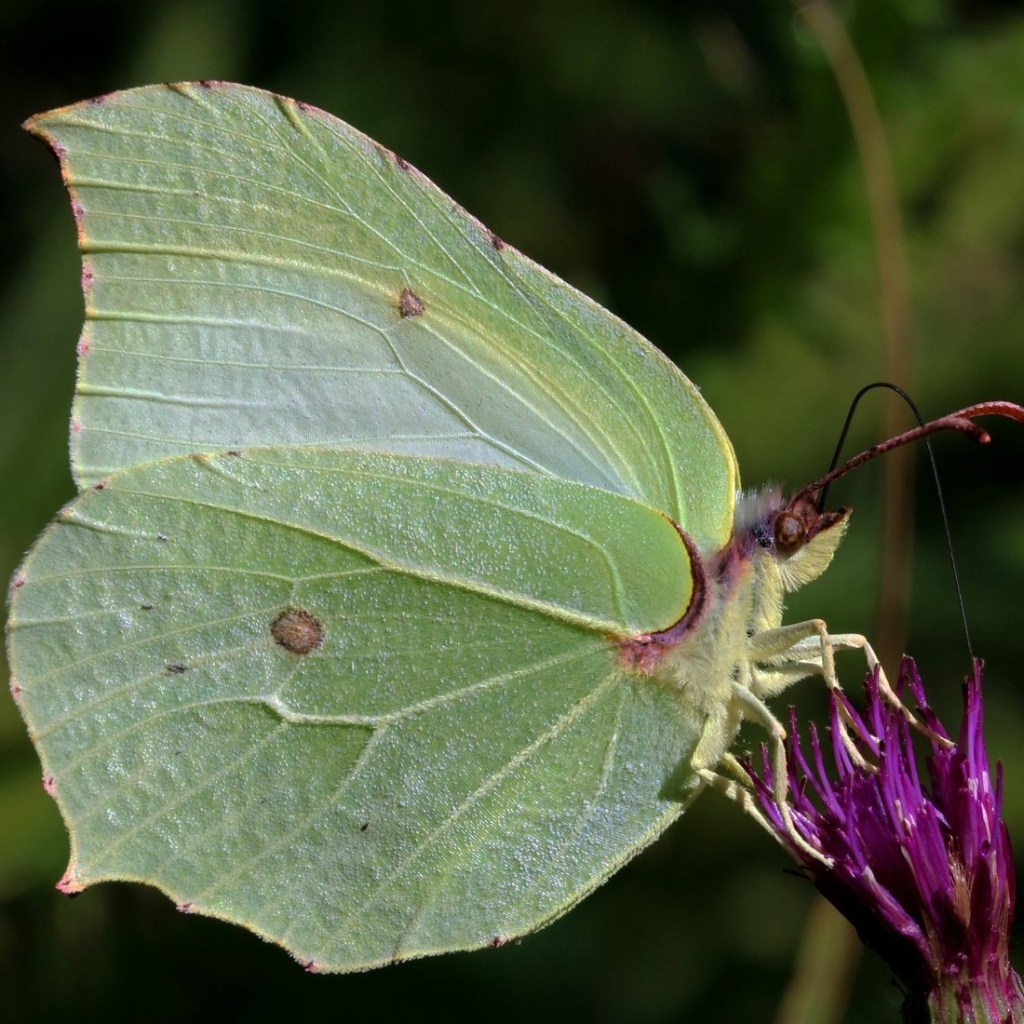
Caterpillars – June to July – alder buckthorn, buckthorn
Adults – August to May – marsh thistle, spear thistle

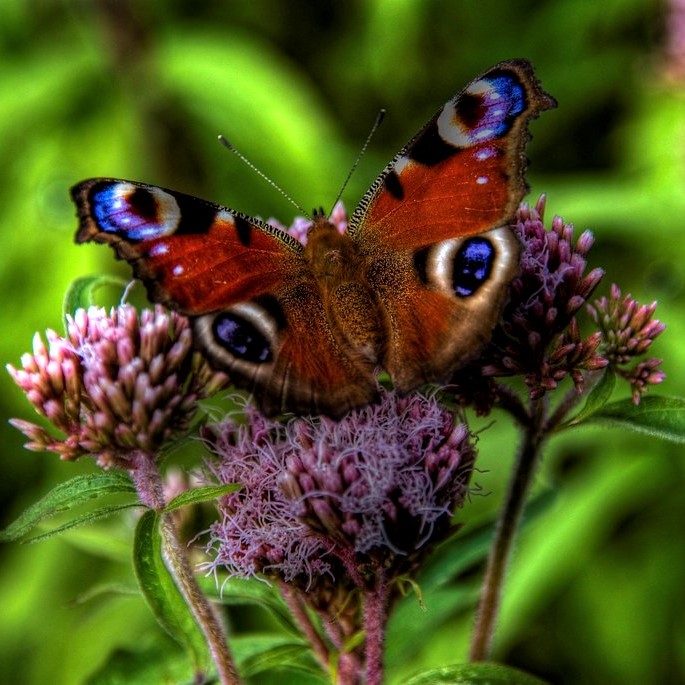
Caterpillars – May and July to August – nettles, hops, elms, willows
Adults– July to March – ivy, hemp agrimony, bramble
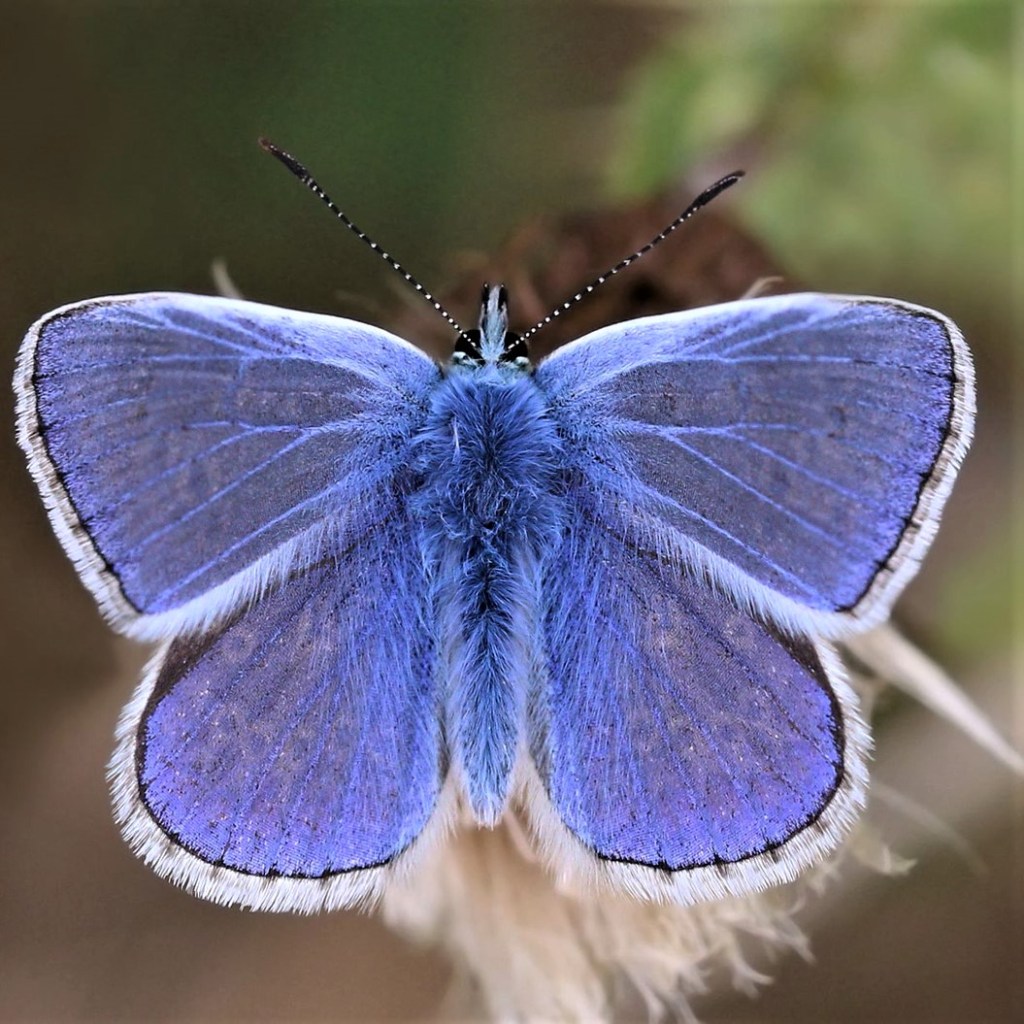
Caterpillars – September to April – common bird’s foot trefoil, white clover, common restharrow, tufted vetch
Adults – April to October – knapweed, marjoram, oxeye daisy, bird’s-foot trefoil

Caterpillars – late April to early October – garlic mustard, cuckooflower, hedge mustard, water-cress, charlock, wild cabbage, wild radish
Adults – March to October – garlic mustard, ivy

Caterpillars – May to June and August to September – dogwood, snowberry, holly, ivy, gorse, spindle
Adults – March to May and July to September – holly, rotting fruit
Caterpillars – mid May to July – stinging nettles and hops
Adults – most common March to May, July to September – thistles, dandelions, marjoram, teasel and bluebells

Caterpillars – May and July – stinging nettles
Adults – July to May – knapweed, small scabious, devil’s bit scabious, field scabious
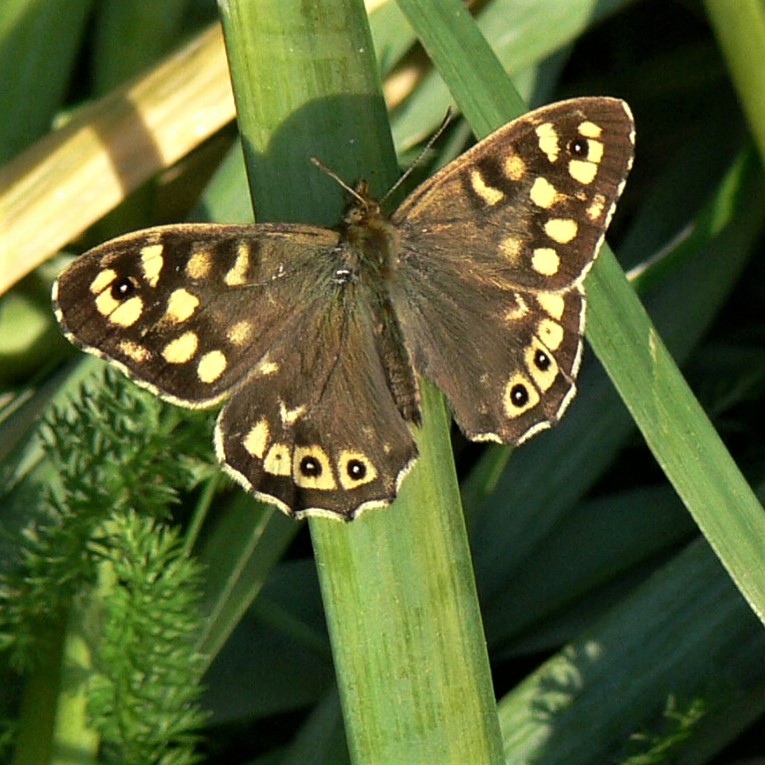
Caterpillars – March to October – grasses including cock’s foot, annual meadow grass, couch, false-brome and Yorkshire fog.
Adults – April to October – trees, where they feed on honeydew generated by aphids, hemp agrimony and fruits when aphid activity low.
The best approach is to plant your selected wild flowers in blocks of the same species, rather than dotting them individually around the garden. Of course, if you want a simpler approach and are happy to see whichever butterflies turn up, then lilac, English lavender and honeysuckle are good plants to include in your flower beds.
 JP Ecological Services