
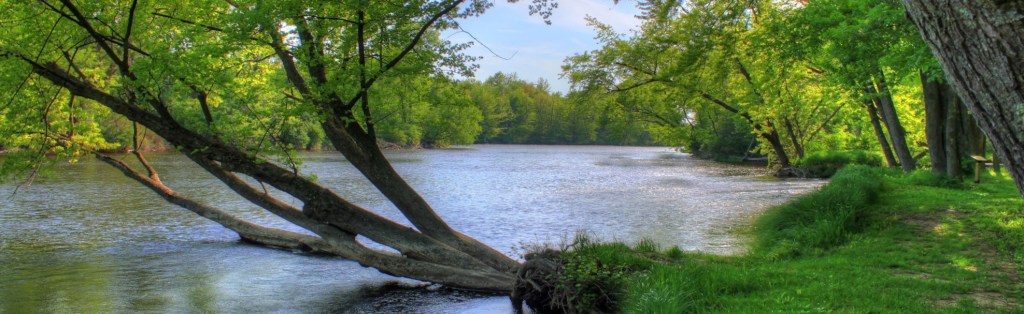
A new project, entitled “Woodlands for Water”, has been launched in England to create 10-metre wide buffer zones along river banks in selected river catchment areas across the country. Thousands of native, broad-leaved trees will be planted to create 3,150 hectares of woodland strips in 6 catchments by 2025, and the surrounding zones will be allowed to regenerate naturally. This form of planting will effectively create new habitats within which wildlife can thrive but also provide a pattern of corridors to link different families of each species to encourage inter-breeding, leading to more robust populations.
Experts from the Rivers Trust, Woodland Trust, National Trust and Beavers Trust will work with local farmers and land owners to develop the new buffers which will contribute to carbon sequestration as they grow. In addition, trials have demonstrated that the tree roots and surrounding vegetation will help bind the riverbank soil together to reduce erosion and thus soil loss. Moreover, once the trees have developed, their roots and any fallen branches could also help to trap silt which has been washed into the river higher up the valley, developing the river bank further. The presence of the trees will also reduce the compaction of the soil around them and permit more water to be absorbed rather than running straight into the river following heavy rain, hopefully reducing the likelihood of flooding further downstream, whilst the buffer zone will reduce the leaching of fertilisers and pesticides from crops and grazing areas into the river and their damaging its occupants. Furthermore, provided the trees are not too densely packed, the canopies will provide dappled shade to the ground and water nearby, creating new habitats for plants and wildlife both in the river and along the banks, as well as providing food for detritus-munching creatures which sit at the bottom of many different food-chains for higher animals. We hope that the farmers and landowners will be persuaded that the loss of such a narrow strip of land will provide a win-win position for all concerned.
As far as we know, only England has so far announced such a scheme, but we hope that Wales and Scotland, who also have significant river catchments, will follow suit as part of their carbon reduction and biodiversity improvement plans.
 JP Ecological Services