
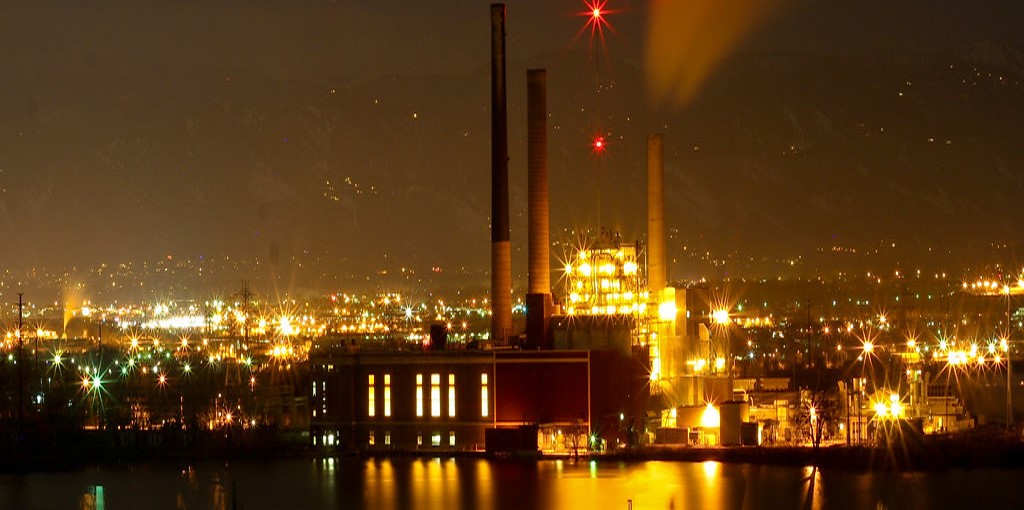
Humans have always craved artificial light during periods of darkness, and it has been estimated that as populations grow the global area bathed by man-made light is increasing at about 6% per year. The spread of lit up areas has become most shockingly obvious through satellite monitoring of so-called “sky glow” over the past few decades, and efforts have been made to reduce the amount of light that radiates uselessly into space, in order to reduce the cost of generation. However, despite the levels of “sky glow” having reduced by about 28% since the early 90s, the area of the world covered by dim light has increased by 39%, with that of brightly lit areas growing by 19%, in the same period.
Ecologists and natural scientists are progressively recognising that light pollution is a significant issue to the nature that shares our planet, and doctors are increasingly aware that artificial light has an adverse impact on human lives too. In order to protect the health and well-being of human populations, as well as the wildlife that lives around us, whilst simultaneously reducing the fuel that is wasted and the carbon dioxide emitted through generating unnecessary lighting, we increasingly need to ensure that the right type of light is used only in areas where it is needed and only when it is needed.
The impact of night-time lighting on plants and animals is widespread and varied, but generally results in imbalanced eco-systems. Some plants thrive more than others leading to changes in the local spread and biodiversity. Furthermore, creatures low in the food chain, and which use darkness to forage or commute without being detected, suffer as predators take advantage of their increased visibility. Equally though, lighting can result in creatures having to modify their foraging areas and where they build their homes. In addition, birds and bats are often dazzled or confused by lights and many are lost through collisions with structures or vehicles as a result or become lost through navigation errors. Moreover, many of nature’s annual rhythms are driven by a combination of temperature and length of daylight hours, so the “extended day” presented by night-time illuminations can disrupt mating activities.
In principle, the hierarchy of lighting guidelines is simple:
- Do not use artificial lighting.
- Limit the duration of any lighting.
- Limit the intensity of lighting used.
- Prevent areas that do not need to be artificially lit from being so – directional lighting and screening.
- Avoid using ground lighting which reflects significantly from surfaces like concrete, water and pathways.
- Avoid using pure white or blue lighting and make more use of “warmer” more naturally coloured lighting. Red lighting also appears to be hazardous to birds.
However, the development of strategies which minimise ecological impacts whilst addressing the often conflicting requirements for human safety and comfort, aesthetic concerns, reduced energy consumption and carbon emission present significant challenges. Nevertheless, as lighting technology develops and the ecological effects are better understood, we should be able to design solutions that resolve these conflicts.
 JP Ecological Services
2 thoughts on “Light Pollution and Nature”