
Renewable Energy Projects and Local Environment
As world focus turns more toward renewable energy sources, more installations are popping up across the countryside. Though far less detrimental to the environment than traditional fuels, there is still an environmental impact from these energy farms.
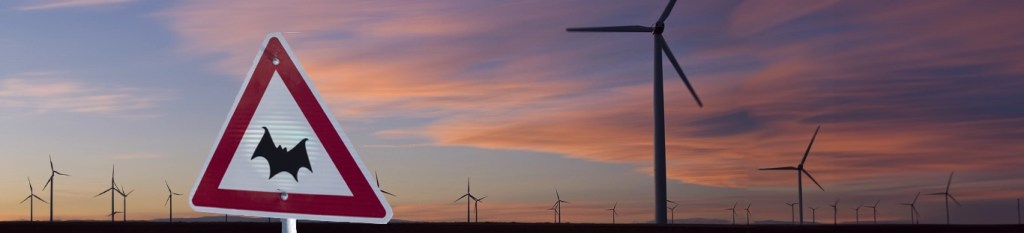
From solar panels on reservoirs or fields to hydroelectric installations, all impact the immediate environment. Specifically with wind farms, traditional wind turbines impact birds and bats, as well as local flora and fauna. This is beyond the general construction work that takes place on installation.
What Environmental Surveys are Needed for a Renewable Energy Project?
Firstly, there are the standard surveys associated with any construction project, including biodiversity net gain or biodiversity improvement. Beyond this, it is critical when planning a site for wind turbines to have a good idea of what wildlife is likely to be impacted. A Phase One Habitat Survey or a Preliminary Ecological Appraisal is needed to assess this and will provide base data for any biodiversity improvement planning.
This will involve an ecologist reviewing your proposed wind farm site and relevant historical records to produce a written assessment. The ecological team will review the habitat types and which species have previously been, or could currently be, present on the site.
This is important information for developers, as it can help reduce the mitigation work needed. For example, if the site is deemed unsuitable for bats, they will not need to be considered within project mitigations.
It also reduces risk and liability, and the potential for delay. Wildlife crime or the disturbance of protected species carries heavy penalties, even when unintentional. Being prepared to work around any protected habitat lawfully, minimises costly mistakes and delays.
How should Environmental Surveys be Planned for Renewable Energy Projects?
An initial Preliminary Ecological Appraisal will help to identify what sort of species and mitigations you might be dealing with. Your ecologist will make recommendations in your survey report on how to proceed with minimal environmental impact. These recommendations will help support your planning applications by demonstrating you are approaching the project from a compliant ecological perspective. It also gives you an opportunity to fully plan, budget, and discuss the implications of recommendations and ensure they are achievable before you commit significant resources.
As well as engaging early with an ecologist, we always recommend that clients also engage early with the approving authorities. This can be a controversial topic. There is often resistance to engaging with county ecologists and other planning officials, as there is a view that this can ‘invite problems’. However, if barriers exist within the project, it is generally better to discover these early so they can be planned and budgeted for.
Consulting too late can result in costly rework, additional mitigations, and budget and timescale creep on projects. All of which damages profitability and reputation. As frustrating as it might be to feel as though you are ‘paying to identify problems’, issues won’t simply disappear, and there is significant risk attached to ‘operating blind’.
Will Environmental Concerns Prevent Renewable Energy Projects?
Some sites will simply not suit certain types of renewable energy installations, e.g., installing bladed wind turbines in a migration route for endangered birds. But in most instances, ecologists and planners will work with you to identify how to progress your project with minimal negative impact.
In addition, technology is continually advancing with engineers consistently looking to reduce the impact and cost of green energy generation.
Despite their benefits, conventional 3-bladed turbines present challenges for wildlife populations, particularly birds and bats. But there are alternatives, which promise lower ecological impact under commercial development.
New Renewable Energy Technology
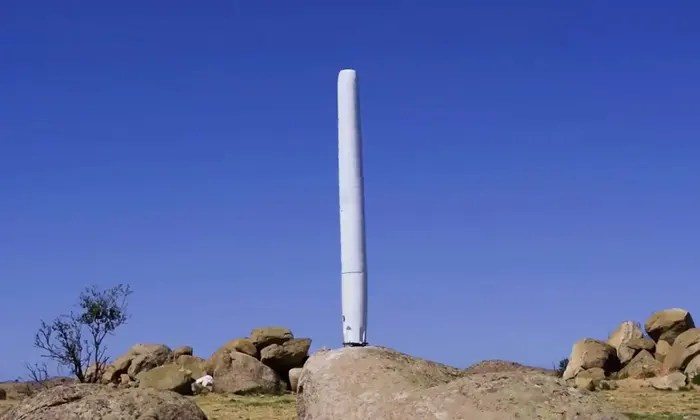
Amongst the new systems, is a rotor-less turbine, consisting only of a vertical cylindrical mast. The design uses an internal carbon rod and a mast that flexes. When the wind blows, vortices of turbulent air oscillate the structure, so an internal alternator produces power.
These devices are smart and versatile, matching the local wind conditions to extend the range of sites they are suited to. Power from the masts, can then be processed just like that from the “standard” 3-bladed turbines, or solar panels.
There is always a trade-off when considering new technology vs tried and tested methodology, but lower environmental impact is not the only factor to consider. The bladeless generators are suited to smaller sites and avoid the material and maintenance costs associated with the blades and their gearboxes.
Current data suggests these newer generators can’t yet match the output of the mega 3-bladed turbines. However, they can be placed closer together, so the site output could be comparable or even higher. This is even ahead of work to improve the output of each unit being completed.
So which Solution is Best?
The bottom line is that this will depend on your individual site, requirements, and budget, but before proceeding too far with planning decisions, it helps to have all the available information at your disposal.
For example, choosing a solution without rotating blades prevents blade strike and protects wildlife from the pressure changes and noise that the blades cause. But this will be more of a concern in some sites than others depending on the local environment.
Continuing to work with your ecological team throughout a project, even after the Preliminary Ecological Appraisal and planning permission has been granted, can help inform your decisions and keep risk low. Even small changes to plans, technology, or timelines can interfere with or breach the conditions attached to planning consent. Our teams can work alongside you and act as a resource to help minimise the cost, upheaval, and errors that could leave you liable.
Speak to our team, and see how we can assist in planning renewal energy projects.
 JP Ecological Services