

The targets to halt biodiversity loss by 2030 set out in the Environment Act 2021 have seen significant focus on, and change to, developers’ biodiversity obligations across the UK.
What is Biodiversity Net Gain (BNG)?
Biodiversity refers to the variety and quantities of animal and plant life in an area, and how they all interact with each other. Biodiversity is essential to the processes that support all life. Retaining the right range and balance of animals, plants and microorganisms creates the healthy ecosystem we need to sustain breathable air and food sources.
In September 2023, a State of Nature Report was published that showed biodiversity in the UK to be in a state of crisis. The report identified that not only is the UK one of the most nature-depleted countries in the world, our native species are still in decline, with almost 1/6 threatened with extinction.
Biodiversity Net Gain is a methodology that aims to increase natural biodiversity long-term through land management techniques. These techniques aim to deliver sustained and measurable improvements to the environment immediately surrounding a development project.
What does this Mean for Developers?
This decline in biodiversity is now high on the agenda across Britain. National and local authorities are implementing policies and processes to reverse this decline, and this is why the attention is currently on biodiversity net gain, specifically during the planning and execution of development projects.
Previously, recommendations have been in place with regard to biodiversity for developers, and, depending on the site and the project, the local planning departments may have requested a BNG plan ahead of approval.
Equally, BNG was a methodology that particularly ecologically conscientious developers could adopt to give weight to claims of sound environmental practice and sustainable development.
However, it looks likely that the requirement for Biodiversity Net Gains projects will increase, and that the format they take will be more heavily regulated in future. Of course, this depends on the location of the project and the local legislation.
Biodiversity Net Gain in England

England has been the quickest to move and update the requirements around BNG for developments. DEFRA (Department for Environment, Food & Rural Affairs) is leading the change, supported by local authorities and Natural England, implementing in accordance with the stipulations of the 2021 Environment Act, a mandatory minimum of 10% improvement in BNG for developments, from November 2023.
The introduction of this target has also led to an overhaul and standardisation of BNG methodologies, which are now specified by the legislation to ensure consistency. The resulting Statutory Biodiversity Metric is a tool that requires a competent person to assess the extent, condition, and distinctiveness of current habitats, and produce a mutually agreed management plan to improve them in line with the targets.
The legislation requires that the 10% minimum be met in all three of the major categories which include habitat size, distinctiveness, and condition. Whilst there are a small number of exceptions to the requirement in terms of sites and projects, there is the possibility that these will change in the future. But, where required, all Biodiversity Net Gains assessments submitted after Nov.23 will need to adhere to the new format.
This new Statutory Biodiversity Metric has been well supported, and DEFRA have published an extensive library of documents, user guides, and forms to support its use; but it is without doubt a significant change.
Biodiversity Net Gain in Scotland

Scotland hasn’t yet introduced a legal requirement for BNG, but is instead seeking biodiversity improvements through a revised national planning framework (NPF 4), adopted in Feb.23. Although this framework includes no numerical targets for improvement, it includes policies that will protect biodiversity, reverse biodiversity loss, deliver positive effects from development projects, and strengthen nature networks across the local area.
There are however indications that Scotland will look to move to a more consistent format as an extensive review of the Biodiversity Metric being implemented in England was conducted in Sep.23. Broadly speaking the review found merit in the more consistent approach in terms of their objectives but stated that further refinement was required.
This review was conducted on draft 3.1 of the Natural England metric, but there has already been a significant change to this ahead of the launch of the statutory tool, which is essentially v4.1. With the degree of attention and urgency that biodiversity improvement is attracting, it would not be surprising to see significant change in Scotland’s approach in the near future.
Net Benefit for Biodiversity (NBB) in Wales

For projects in Wales, the equivalent survey to the English and Scottish BNG is the Net Benefit for Biodiversity or NBB. As with England, this is an obligatory process, with a Green Infrastructure Statement required for Welsh planning applications.
Welsh Government hasn’t yet set any numerical targets associated with Net Biodiversity Benefit. But the Chief Planner has stated that where improvements to biodiversity are not included, unless there are “significant material considerations indicate otherwise”, planning permission would be refused.
Additional requirements were outlined in Oct.23 in an update to Planning Policy Wales. This advocated a step-wise approach to Biodiversity and additional consideration of SSSI’s (Sites of Special Scientific Interest) and woodland. In line with this, developers and their ecologists will be required to demonstrate and plan for biodiversity improvement.
Biodiversity in Planning In Northern Ireland
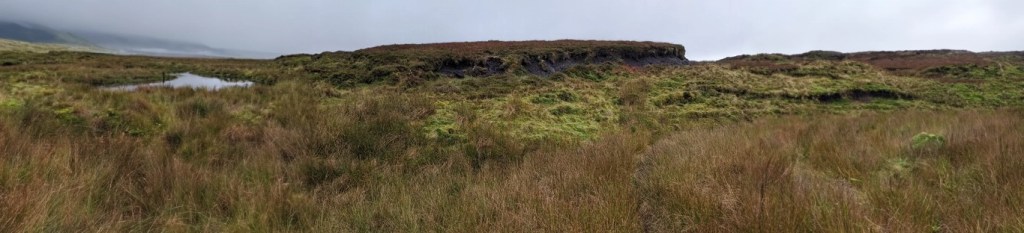
The area that currently appears to offer the least clarity is Northern Ireland. Post-Brexit, there is a need to review the relevant planning legislation, and the Environment Act 2021 requires the Northern Ireland Executive to publish “a plan for significantly improving the natural environment,”. This was expected in 2023, but as of Dec.23, this had not happened.
Regardless, there are calls and a requirement for attention to be given to legislation so this should be at the forefront of developers’ and ecologists’ minds when planning projects.
What Does this Mean Long-term?
There are no crystal balls to see into the future, but there seems little doubt that the stipulations laid out in the Environment Act 2021 of aspiring to halt biodiversity loss by 2030 will continue to drive a focus on biodiversity.
England, Scotland and Wales have all issued aligning policies to significantly improve biodiversity by this 2030 goal, and it is likely that minimum targets for improvement may follow where they are not yet set.
It is clear that planning authorities will continue to expect development proposals to be built on detailed ecological analysis of the proposed development site and its local area. And, that it will be the developer’s responsibility to offer insight into how their project will protect and improve natural biodiversity and the natural value of the site within the local area.
For most projects, this will involve early engagement with an experienced ecologist in order to assess, plan, and implement the various phases of the project. The focus of this legislation is long-term improvement so ‘lip-service’ proposals are likely to be rejected.
It is critical that BNG plans are practical and achievable, as once approved as part of the planning permission, not meeting commitments could result in costly remediation work, financial penalty, or even removal of the development.
Any accepted BNG or NBB plan should be regularly reviewed by a competent ecologist to validate progress and prevent any costly, nasty surprises. This is particularly important given how projects can be subject to change in the initial stages.
If you need assistance with BNG or NBB assessments or reviews, compliant and achievable management plans, or other surveys and advice relating to a development project, please contact us.
 JP Ecological Services