
Over the past year, we have been thrilled to join our ecologist colleagues from Spectrum Ecology to work on the production of several new television series, being made by world-renowned studios. Our work on the first project, as filming ecologists, led to subsequent invitations to assist with future work to be undertaken by the same studios, as well as requests from other film-makers to assist with their projects.
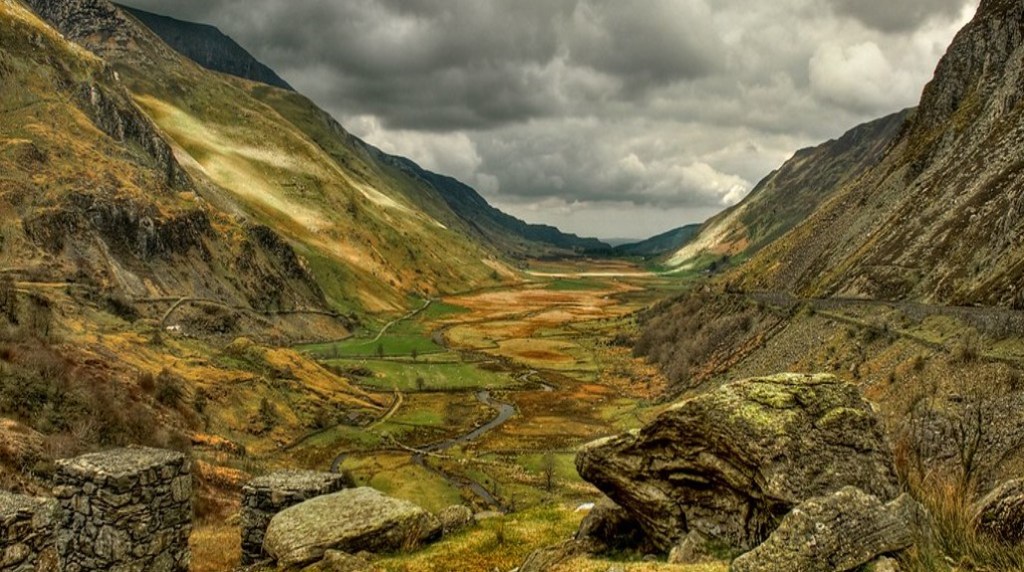
To date, the scenes we have been involved in have been dotted around the coast of north Wales and Anglesey and remote parts of the Snowdonia National Park, as well as rural areas in Herefordshire and on and around army ranges in southern England.
The prime objective of our involvement was to prevent, or at least minimise, the disturbance and damage to the habitats and species that are present within the places where filming was to take place. In some cases, our assessments, or the feedback from landowners and Environmental Agencies, meant that plans to use the proposed site had to be abandoned and a suitable replacement found. In other cases, the filming activities had to be adjusted, or specific mitigation activities undertaken, to ensure that the best filming results could be obtained without prejudicing protected and priority species or habitats and to comply with licence conditions.
Examples of mitigation activities included:
- Ensuring horse droppings were collected and removed from important species-rich chalk grasslands by a licensed carrier and disposed of responsibly to ensure that unwanted seeds weren’t left behind by horses which had been brought in from areas with different habitats and feeding arrangements.
- River bank checks to ensure that kingfishers, who were reported by local birdwatchers as using the area, weren’t nesting within the locations likely to be affected by filming.
- Riverside checks to ensure that Otters, a protected species, weren’t making use of the river, its banks and neighbouring land as resting or feeding sites.
- Pre-filming checks of grass areas to ensure that ground-nesting birds, such as the Skylark, had not recently started to nest there.
- Positioning of lighting and other equipment to ensure that Choughs, a protected bird, were not being disturbed and that vegetation was not being destroyed.
Although most of the filming activities were completed in summer, strong winds, heavy rain and remote locations meant that conditions were often demanding, and we regularly had long working hours and much cleaning and drying of equipment after being on location. In addition, the tight filming schedules, based on the availability of leading cast members and forecasts of poor weather, meant that some of the work was time critical. Nevertheless, we learned a lot about the practical issues faced the various support teams during filming on location and enjoyed seeing how one of our favourite TV series was made.
If you need ecological support for filming activities, including work as outlined below, please contact us to see how we might assist.
- Reconnaissance visits to the proposed filming sites, in order to understand the requirements and aims of the filming activities.
- Local Record Checks and discussion with local experts to determine which Protected and Priority species and habitats might be present in the proposed film locations.
- Surveys to determine whether protected or priority species/habitats would be affected by work at the proposed locations.
- Devising mitigations and procedures to prevent damage and disturbance.
- Preparation of submissions to obtain EA licences for some of the proposed film work.
- Interpretation of the conditions included within any licence documents and the briefing of production teams and sub-contractors on the precautions to be taken.
- Advice to production teams on locations for stages and filming equipment to minimise damage or disturbance to the local flora and fauna.
- Pre-filming surveys to ensure area free of protected/priority species (birds, mammals, reptiles and plants).
- Ecological supervision of some activities and teams to ensure that appropriate species/habitats are protected and licence conditions are satisfied.
For other articles, please visit the “Index of Articles”; for information on the ecological tasks we can undertake, please visit “Our Services”
 JP Ecological Services