
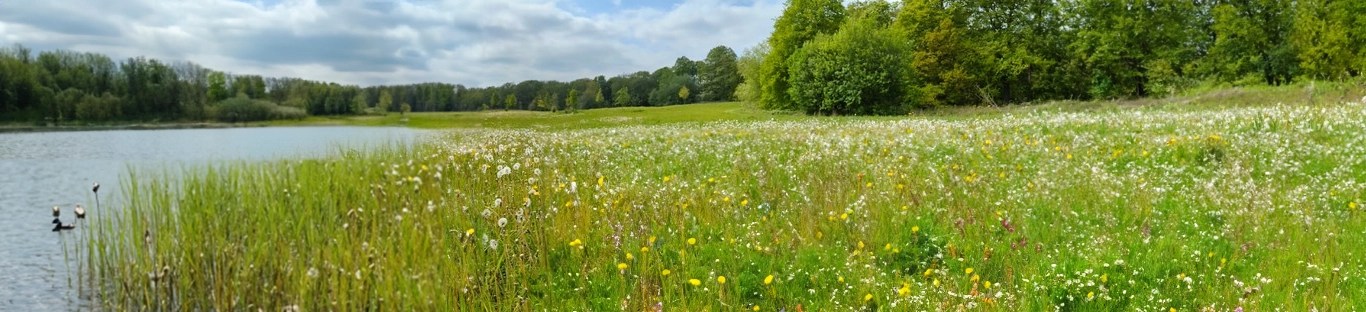
The targets to halt biodiversity loss by 2030 set out in the Environment Act 2021 have seen significant focus on and changes to developer’s biodiversity obligations across the UK.
Category Archives: Legislation
Don’t Pre-empt Planning Permission

The trend to proceed with site clearance ahead of ecological survey is increasing risk, cost, and timelines for development projects and can result in unlimited fines and a prison sentence.
Plan for Biodiversity Net Gain
Experience shows that biodiversity net gain measures cannot be “bolted on” at the end of development work, but must be planned and managed from the outset.
Bats and Development
The presence of bats in a building is unlikely to prevent development but will require good planning, specialist advice and a licence to ensure bats are protected.
Bird Nests & Developers
Bird nests are protected under the Wildlife & Countryside Act, so development projects might need surveys and management activities to protect breeding birds and to avoid breaching the law.
Bee Bricks – A Solution?
Bee bricks are being touted as a solution to the bee-housing problems caused by destruction of their natural homes. However, is the situation that straight forward?
Ecological Survey Calendar
Nature doesn’t work to our timetables, but local authority ecologists will expect that surveys will have been conducted at the optimum time for the subject species.
Achieving Biodiversity Net Gain
Photo: Local Government Association – Development projects will be mandated to include at least 10% improvement in biodiversity by 2023. The UK government has committed itself to reversing the loss in biodiversity across the country by 2030 and has made provision in its “flagship” Environment Act 2021 for ensuring that each future development project deliversContinueContinue reading “Achieving Biodiversity Net Gain”
UK Environment Act 2021
The Environment Act 2021 provides umbrella coverage for a range of supporting legislation within each of UK’s nations.
Wales Declares Nature Emergency
Wales’ Strategy for Nature sets out an ambition ‘to reverse the decline in biodiversity, for its intrinsic value, and to ensure lasting benefits to society’,
 JP Ecological Services