
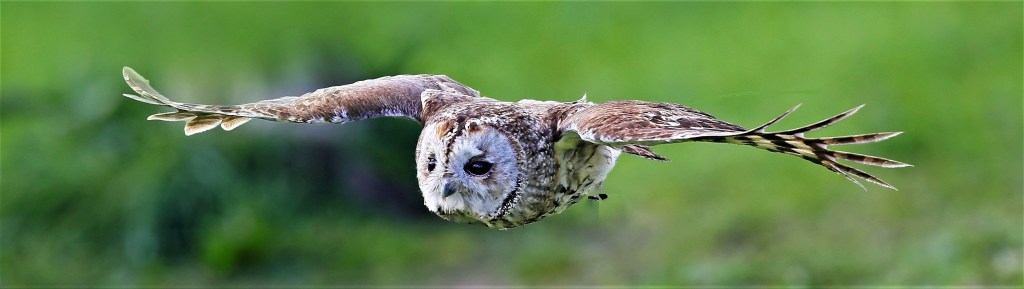
There are five species of owl in Britain: the British Barn owl, Tawny owl, Little owl, Short-eared owl and Long-eared owl; and some are becoming increasingly rare. It may therefore be necessary to conduct surveys for the presence of owls during the planning of development projects, prior to seeking planning permission.
Key Info:
- Wild owls in the UK are protected under the Wildlife and Countryside Act (1981).
- It is illegal to kill, injure or capture an owl, take or destroy their eggs or to damage or destroy their nests whilst in use.
- Owl surveys might be required by national or local environmental or ecological authorities or if owls are listed in the local ecological record check of the area surrounding the proposed development site.
Surveys:
Wild owl surveys might include:
- A Local Ecological Record Check and review of other ornithological databases.
- On-site surveys to assess the site and adjacent habitat for foraging, nesting or roosting potential.
- Surveys for pellets, active nests and owl activity.
- A call and response survey.
Some of these topics might already have been covered by preceding surveys, such as a Preliminary Ecological Appraisal.
Reports will include survey results and recommendations for precautions and mitigations to be adopted.
 JP Ecological Services