
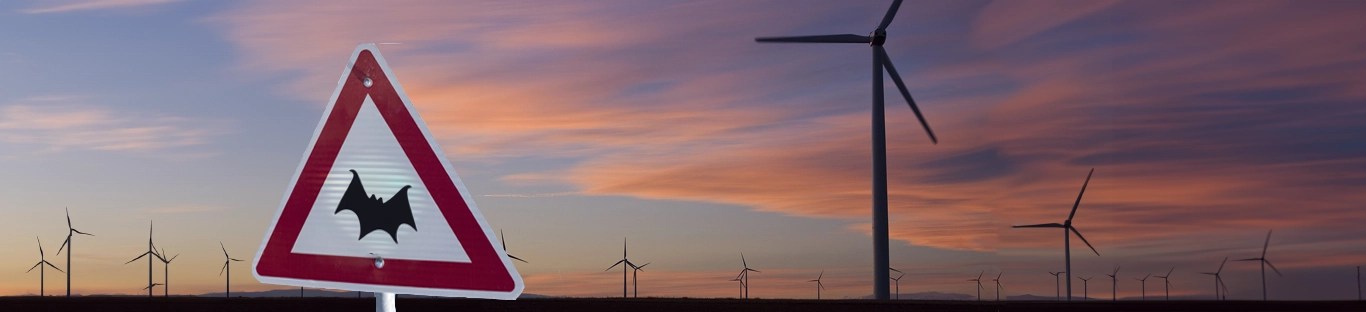
Planning a renewable energy installation requires consideration of appropriate technology and of increasingly important ecological requirements to prevent penalties, excess costs and project delays.
Tag Archives: #mitigation-measures
Achieving Biodiversity Net Gain
Photo: Local Government Association – Development projects will be mandated to include at least 10% improvement in biodiversity by 2023. The UK government has committed itself to reversing the loss in biodiversity across the country by 2030 and has made provision in its “flagship” Environment Act 2021 for ensuring that each future development project deliversContinueContinue reading “Achieving Biodiversity Net Gain”
Road versus Bats
Plans to install a dual-carriageway ring road near Norwich could decimate habitats supporting a large colony of extremely rare bats. Are mitigation measures or is re-routing the solution?
Science Park Solar Power
A significant amount of our work on this project was investigating whether badgers from the local nature reserve were making use of the proposed site.
“Mini Forests” Spreading
“Mini forests” might make a valuable contribution to improving the biodiversity of nature within developments on housing and industrial estates, but can’t replace existing forests and woodland.
UK Environment Act 2021
The Environment Act 2021 provides umbrella coverage for a range of supporting legislation within each of UK’s nations.
The Age of Nature
If they are to avoid “bad press”, architects, planners, developers and builders will need to increase provision for our natural world in their projects, whether large or small.
Impact of Aberbargoed Development
Proposals to build houses next to the Aberbargoed Grasslands Nature Reserve, SAC and SSSI required more than usually detailed ecological surveys.
Habitat Units Restore Marine Ecosystems
Retrofittable devices can re-instate and improve the marine biodiversity lost by development of our coastal areas.
Nature Depleted Britain
When measured against internationally approved criteria, the UK has kept only half of its biodiversity since pre-modern times. Canada, which is among the best countries, can boast 89% retention.
 JP Ecological Services