
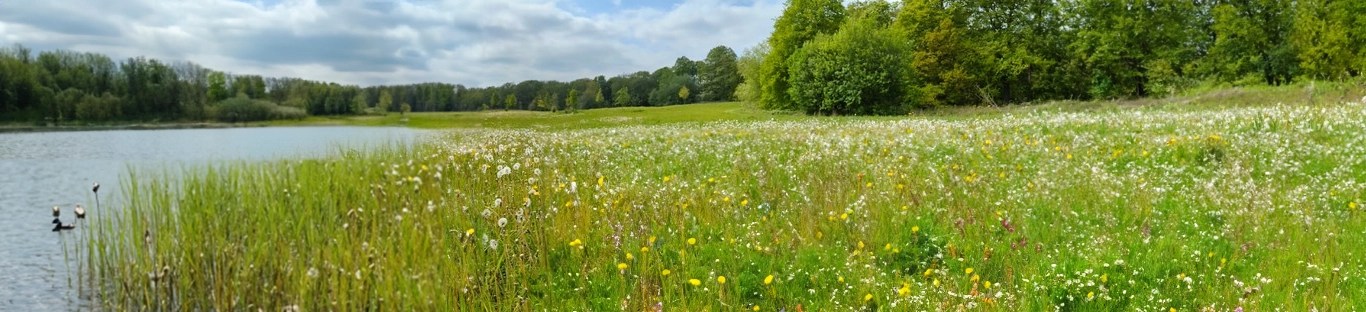
The targets to halt biodiversity loss by 2030 set out in the Environment Act 2021 have seen significant focus on and changes to developer’s biodiversity obligations across the UK.
Tag Archives: nature conservation
Don’t Pre-empt Planning Permission

The trend to proceed with site clearance ahead of ecological survey is increasing risk, cost, and timelines for development projects and can result in unlimited fines and a prison sentence.
Environmental Planning for Renewable Energy Projects
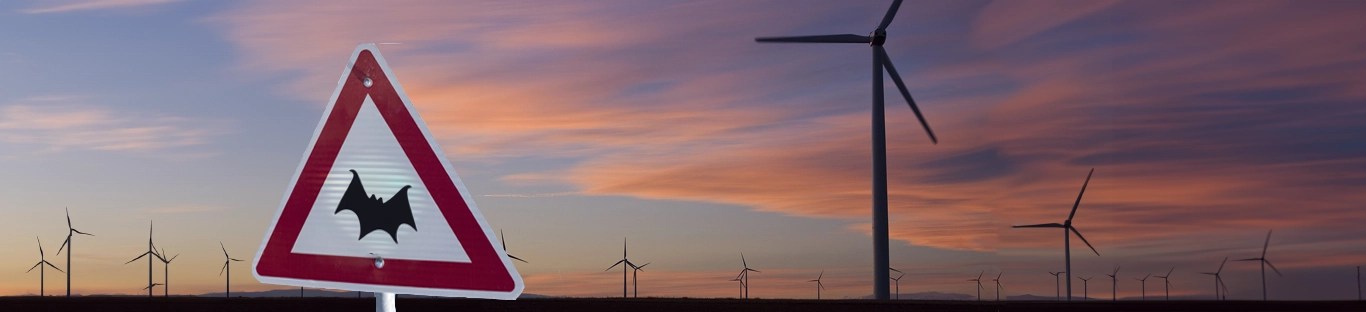
Planning a renewable energy installation requires consideration of appropriate technology and of increasingly important ecological requirements to prevent penalties, excess costs and project delays.
Bluebell Time
Climate change, the loss of woodlands to development projects, the increasing spread of Spanish or hybrid species, pollution and careless admirers are all threatening our native Bluebells.
Bird Nests & Developers
Bird nests are protected under the Wildlife & Countryside Act, so development projects might need surveys and management activities to protect breeding birds and to avoid breaching the law.
Moths vs Light Pollution
Light pollution is significantly reducing numbers of caterpillars across the UK, so sound artificial lighting policies must be adopted during development projects.
Red Squirrels – Future Challenges
It is important to understand the relationships between animals, their habitats and each other as we try to improve biodiversity; often they are less obvious than at first thought.
Scottish Beavers to Spread?
Re-introduction of the beaver to the UK countryside continues, with many benefits. However, there is still a long way to go before their presence is widespread.
Bee Bricks – A Solution?
Bee bricks are being touted as a solution to the bee-housing problems caused by destruction of their natural homes. However, is the situation that straight forward?
Light Pollution and Nature
Light pollution is now recognised as having significant adverse impacts on humans and wildlife, as well as wasting energy and adding to atmospheric carbon levels.
 JP Ecological Services